
Four specialties, one clinic.
Plastic surgery, state-of-the-art laser equipment and body contouring — plus robotic hair restoration, added in 2026, all under one roof.
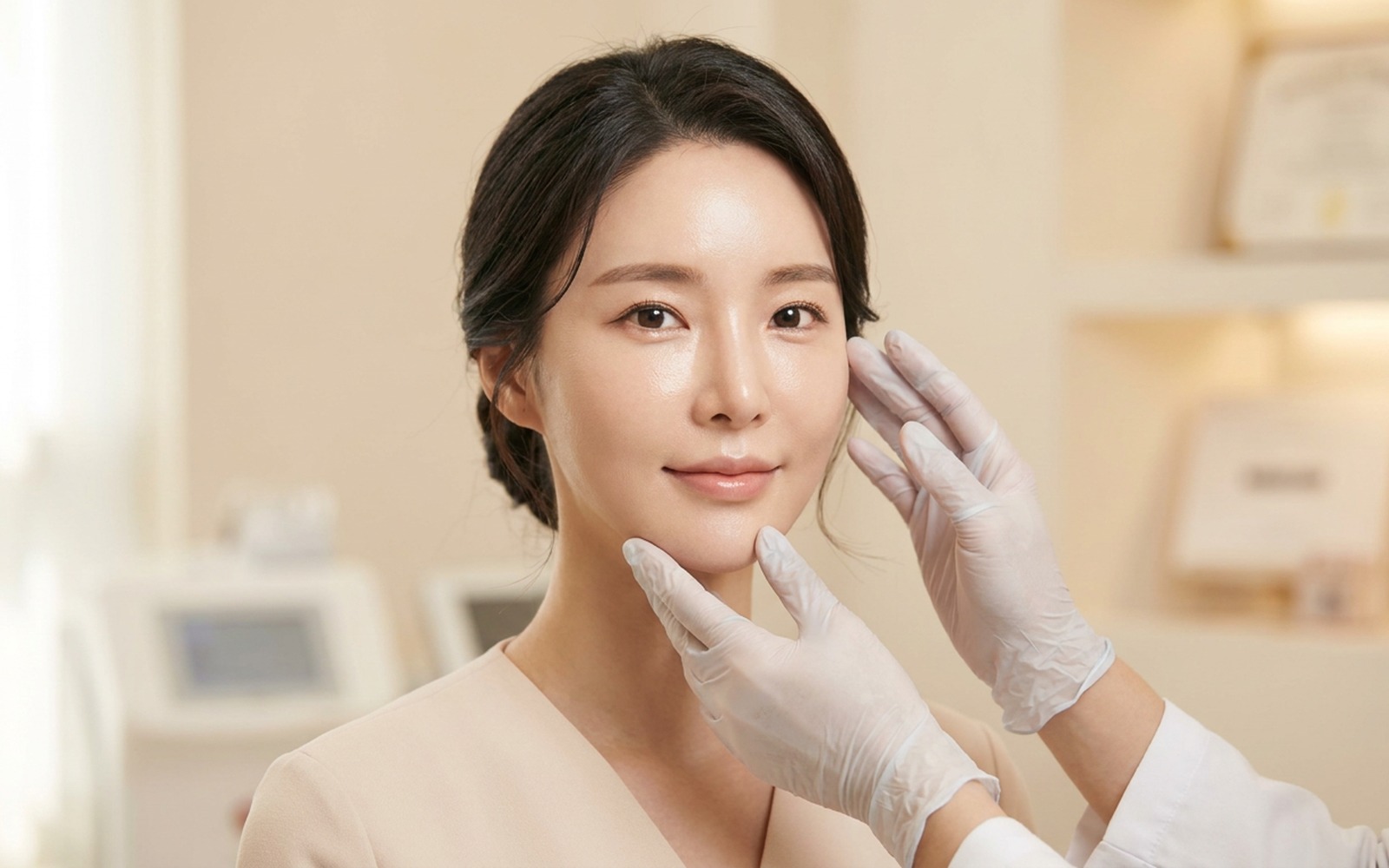
Plastic Surgery
Surgical and non-surgical procedures for the face, eyes, nose and breast.
Eye surgery · Nose surgery · Breast surgery · Anti-aging · Non-surgical procedures
Plastic surgery is the surgical specialty concerned with correcting structural deformity and functional defect — bringing form and function as close to normal as possible.
The field is also called plastic and reconstructive surgery: reconstructive work restores a patient to normal, aesthetic work goes beyond the norm, and plastic surgery covers both.
The line between aesthetic and reconstructive is rarely sharp, so procedures are grouped by primary aim. We perform fat grafting, eyelid and eye surgery, rhinoplasty, ear surgery, chin and neck contouring, facelift, breast reduction and augmentation, botulinum toxin, permanent hair removal and fillers (Restylane, Sculptra, Juvederm, Radiesse).
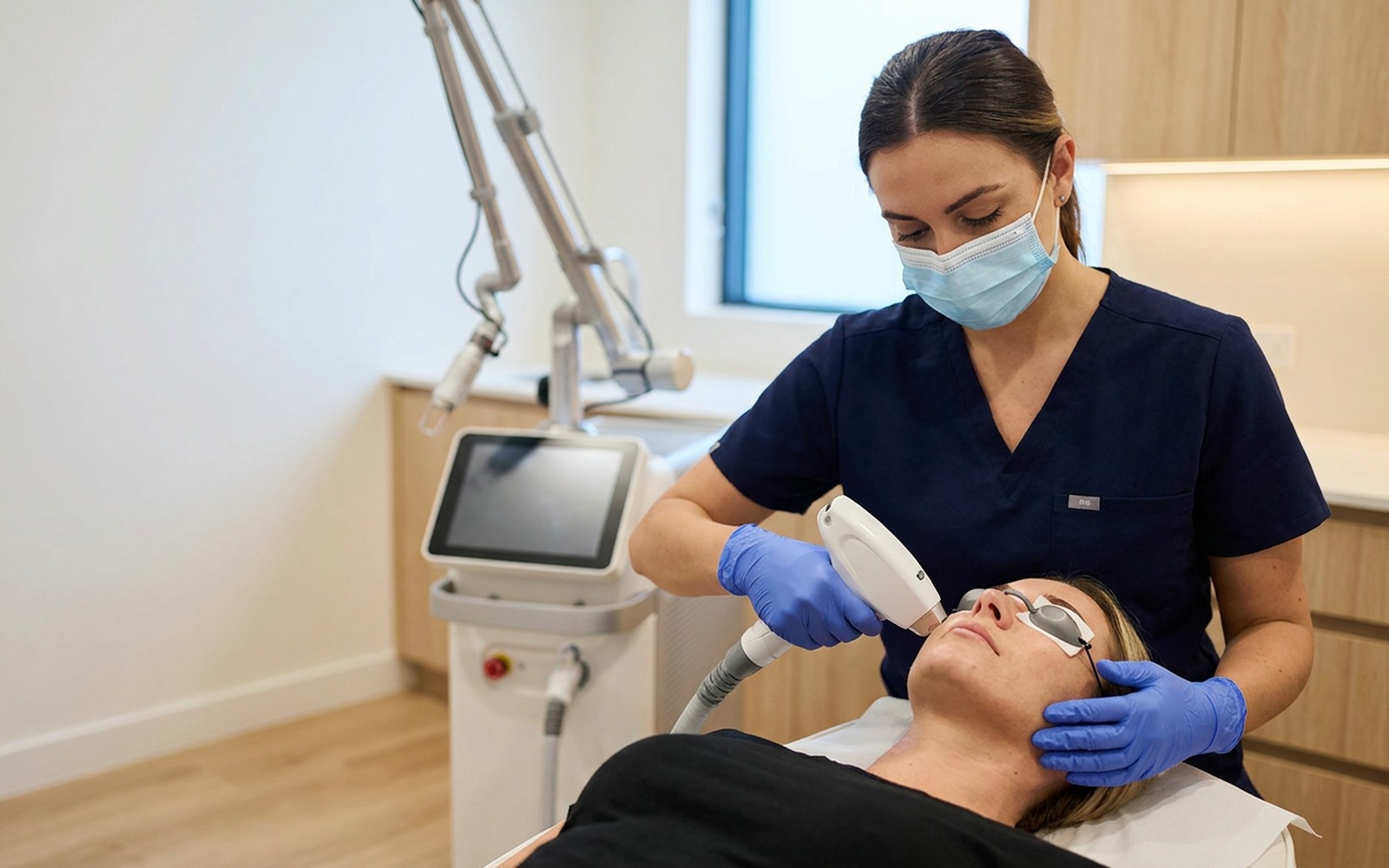
Laser Clinic
Device and technique matched to your skin, not the other way around.
Skin rejuvenation · Wrinkles & lifting · Permanent hair removal · Tattoo removal · Medical skin care
Our laser clinic runs more than 17 platforms — Thermage CPT, pigment lasers, vascular lasers, hair-removal lasers, resurfacing lasers and CO2 lasers — operated by experienced physicians.
Because each tissue absorbs light at a different wavelength, a laser can be chosen to destroy only the target we want, which is why conditions that previously had no good treatment now respond well.
Before treatment we examine skin type and history, then match device and settings to the goal: pigment, vascular lesions, pores, laxity or hair removal. The device is chosen for the skin — not the other way around.

Lipo & Body Contouring
Fat removal planned around recovery, with body lifting and CoolSculpting options.
Liposuction · Body lifting · CoolSculpting
Fat is either subcutaneous (between skin and muscle) or visceral (around the organs); liposuction removes subcutaneous fat only. Subcutaneous fat divides again into superficial and deep layers, and the layer to be removed differs by body area.
Liposuction is for localized fat that does not respond to diet and exercise, and it works best on the jaw, neck, cheeks, arms, abdomen, buttocks, thighs, knees, calves and ankles rather than on generalized obesity.
How much fat is removed — typically up to about 2,500cc per session. Removing 6,000–7,000cc at once raises risk and may require transfusion, so larger volumes are staged over several sessions. The amount is set by health status and age, and blood loss is monitored throughout.
The process — consultation and preparation (body-fat measurement, blood work, stopping contraindicated medication, hydration), the surgical stage (anaesthesia screening and pre-operative marking), and aftercare (massage to relax tissue and activate lymphatic drainage, plus a compression garment to reduce swelling and hold the result).
The procedure runs about two hours under general anaesthesia; normal activity resumes in 2–3 days and recovery is largely complete in about a week. A compression corset or stocking is worn for roughly three months. Ultrasound-assisted liposuction converts electrical energy into mechanical vibration, creating micro-bubbles that release fat from cells — it spares vessels and nerves and reduces surface irregularity, but carries heat-related burn risk and takes longer.
Areas treated: abdomen, waist and flanks, thighs, buttocks, calves, arms, face and neck.
Recovery — 1–2 days of rest; localized cases can go home the same day. Bruising lasts 2–3 weeks, swelling resolves 70–80% by 3–4 weeks, satisfaction usually begins at one month, and objective comparison is meaningful at about three months. Light exercise from 2–3 weeks.
Aftercare — no nicotine for one to two months, keep the area elevated, wear compression for about two months (stockings 2–3 months), and pair with diet and exercise to hold the result.

Robotic Hair Restoration Treatments
ARTAS® robotic FUE — individual follicles harvested and implanted with AI guidance, with no linear scar.
ARTAS® robotic FUE · Male & female hair loss · Hairline design · Pre-treatment planning
Hair restoration at our clinic is performed with the ARTAS® robotic system — a minimally invasive follicular unit extraction (FUE) procedure. Artificial intelligence analyzes follicles in the donor area one by one, selects the ones suitable for transplant, and a six-axis robotic arm harvests and places them with precision. Because no strip of scalp is removed and no sutures are used, the procedure does not leave the long linear scar associated with strip surgery.
How it works, in four steps. (1) A 3D plan is made to design a hairline suited to your face. (2) A high-definition stereoscopic camera system recognizes each follicular unit at micron resolution. (3) The robotic arm harvests each follicle at its optimal angle. (4) Recipient sites are created and the harvested follicles are placed. Healthy existing hair is protected throughout, so both the donor area and the transplanted area keep a natural appearance.
The integrated AI continuously tracks the position, angle, size and direction of each follicle and adjusts to patient movement. Grafts are harvested in a dispersed pattern so the donor area does not look thinned out, and machine learning improves recognition with every procedure.
Recovery and results — no scalpel, staples or stitches, so recovery is comparatively quick. Transplanted hair typically begins to grow around three months, usually shows visible improvement at around six months, with final results assessed at one year. Transplanted hair usually lasts, but that does not mean hair loss itself stops, so we discuss progression and realistic expectations at the consultation.
Female hair loss — we consult on female pattern hair loss as well. The FDA-cleared indication for ARTAS is male pattern hair loss, so for women we first look at causes such as hormones, nutrition and medication, then decide whether to combine hair restoration with medical treatment.
What we decide together — the number of grafts available, hairline position, rate of progress, and aftercare. The donor area is trimmed short before the procedure, and the required length is explained during consultation.
Video and before-and-after photos courtesy of Venus Concept — ARTAS®.
Male patients
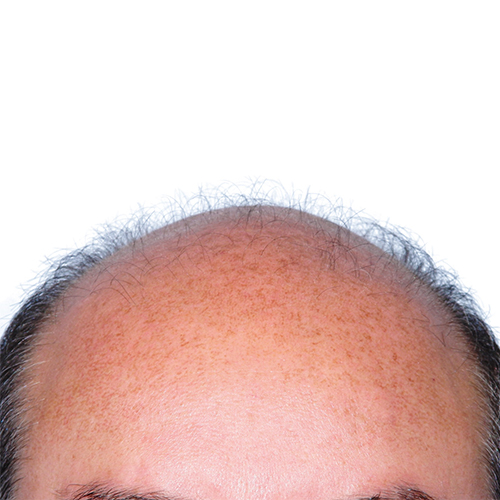 Before
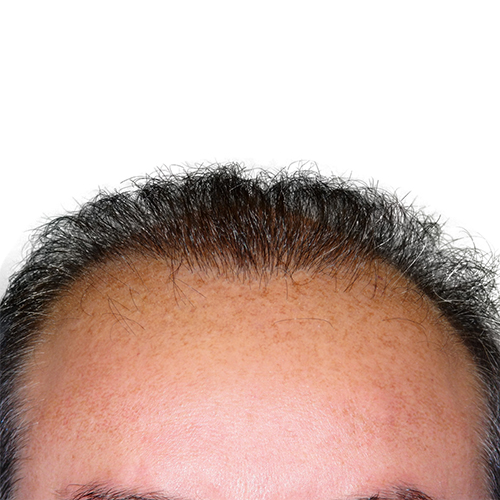 After
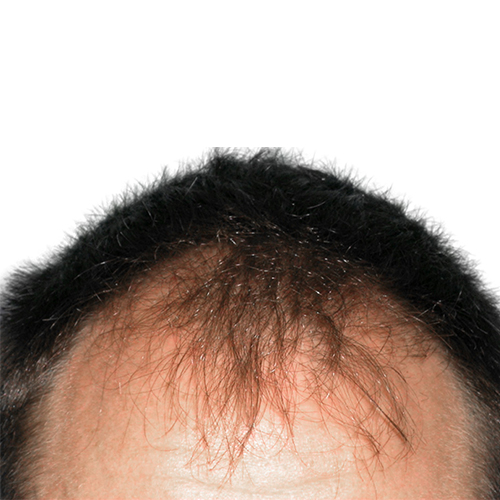 Before
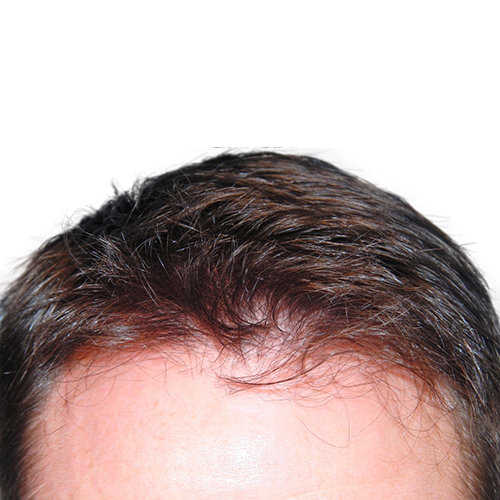 After
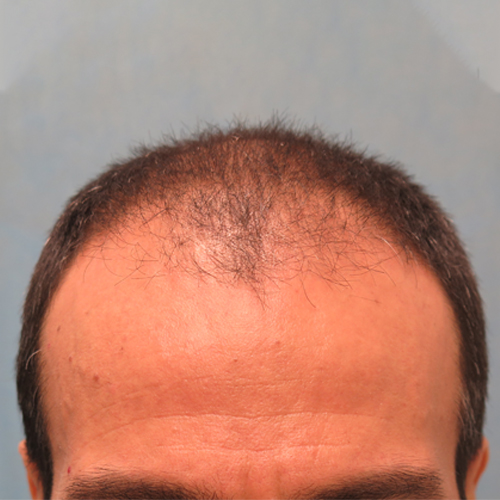 Before
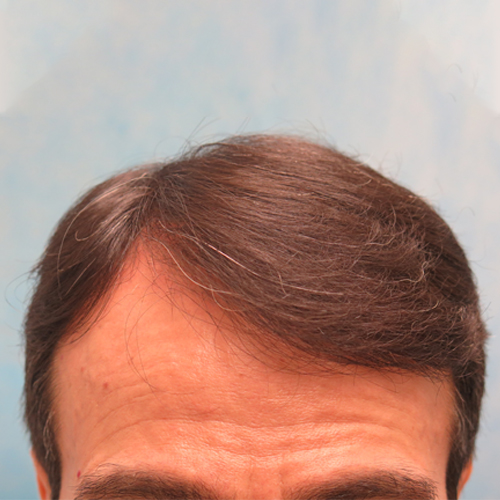 After
Female patients
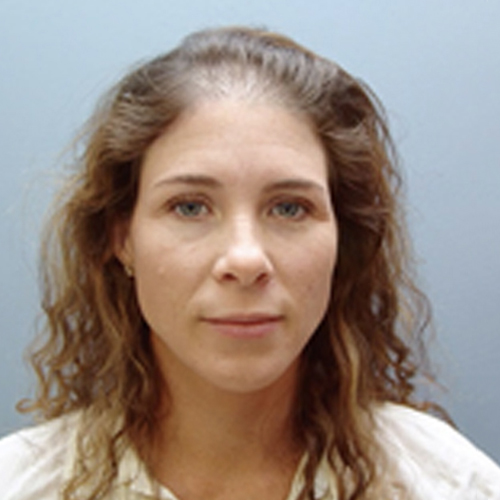 Before
 After
Indications: ARTAS® iX is cleared by the FDA for harvesting hair follicles from the scalp in men diagnosed with androgenic alopecia (male pattern hair loss) who have black or brown straight hair, and for creating recipient sites. Suitability for other types of hair loss, including female pattern hair loss, is determined in consultation. Individual results vary.
Start with a conversation.
No obligation. We will answer honestly, in your language.